
Gajgry: Meaning, Uses, Types, And Benefits Explained
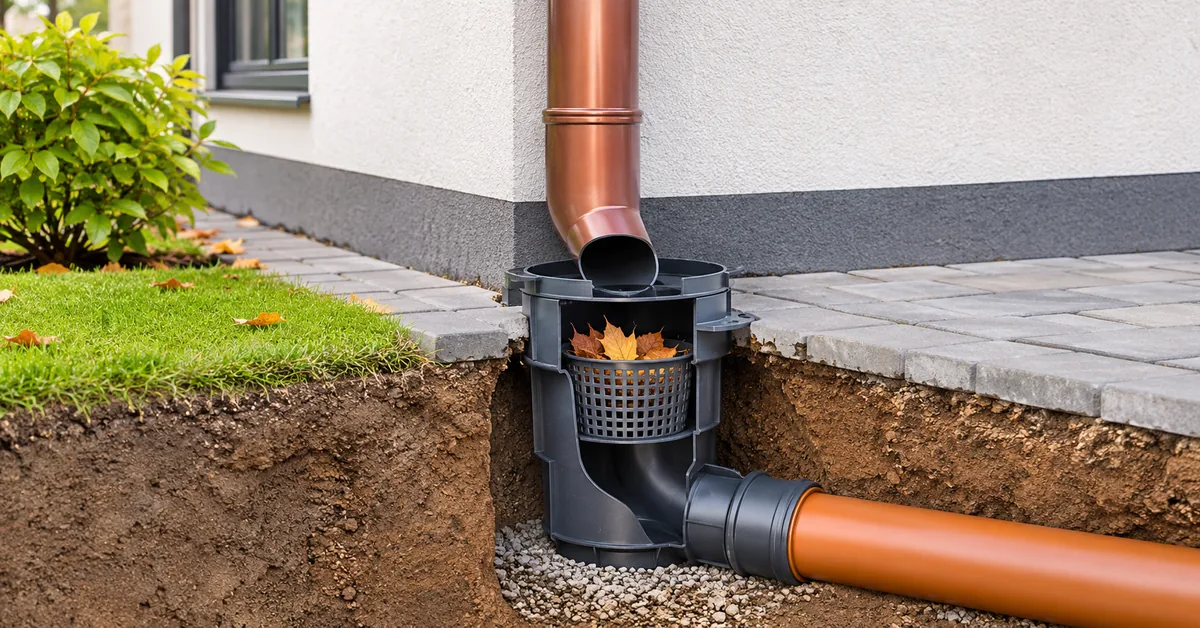
If you have recently come across the word gajgry, you might be wondering what it means and why it appears in discussions about building drainage systems. Gajgry is a term associated with Czech construction and rainwater drainage equipment. It refers to components commonly known as roof debris traps or rainwater downpipe traps.
These devices play an important role in managing rainwater around residential and commercial buildings. They collect water from roof gutters and help prevent leaves, dirt, small stones, and other debris from entering underground drainage pipes. Some models also include odor-control mechanisms that help prevent unpleasant sewer smells from escaping.
Understanding gajgry is useful when planning a drainage system, maintaining existing gutters, or choosing the right equipment for a property. Although the term is not commonly used in standard English construction terminology, the equipment itself serves a practical purpose in modern building drainage.
ALSO READ: Who Voices The Windows XP Tour? The Mystery Explained
What Does Gajgry Mean?
Gajgry is the plural form associated with the Czech construction term gajgr. It describes rainwater collection and drainage components installed near the bottom of roof downpipes.
In English, similar products are generally called roof debris traps, downpipe traps, or rainwater drainage traps.
A typical gajgr connects an outdoor rainwater downpipe to an underground drainage pipe. As rainwater travels from the roof toward the drainage system, the device helps separate solid debris from the flowing water.
Many designs include a removable collection basket that catches leaves, dirt, and other unwanted materials. This makes routine maintenance easier because accumulated debris can be removed without dismantling the entire drainage system.
The term is also associated with the Czech word Geiger, which appears in discussions about the equipment’s naming history. However, the important distinction is its practical function rather than assuming it represents a separate technology or digital platform.
How Do Gajgry Work?
Gajgry work by controlling the movement of rainwater between roof drainage systems and underground pipes.
When rain falls on a roof, water flows into gutters and travels downward through connected pipes. During this process, small particles can enter the drainage system along with the water.
Without a suitable collection point, these materials may accumulate inside underground pipes and gradually restrict water flow.
A gajgr provides a collection and inspection point where unwanted debris can be separated before the water reaches the connected drainage network.
Most conventional models use an internal basket or filtering arrangement. Water passes through the drainage chamber while larger particles remain trapped inside. Depending on the design, an additional odor-control flap or water seal helps reduce the movement of unpleasant smells from the sewer system.
This relatively simple arrangement can make a noticeable difference in the long-term performance of an outdoor drainage installation.
Main Types Of Gajgry
Different properties require different drainage arrangements. For this reason, gajgry are available in several designs that accommodate different pipe connections, installation conditions, and maintenance requirements.
Wet Gajgry
Wet gajgry use a water-based sealing arrangement to help prevent sewer odors from traveling back through the drainage connection.
A small amount of water remains inside the trap, creating a barrier between the drainage pipe and the surrounding environment.
These models can be useful where the installation design supports a water seal. However, freezing conditions and periods without sufficient water can affect their performance.
Dry Gajgry
Dry gajgry use a mechanical flap or similar arrangement instead of depending entirely on a standing water seal.
The flap helps restrict unpleasant odors from entering the surrounding area while allowing rainwater to drain away.
This design can be useful in locations where water may evaporate or where seasonal conditions make a traditional water seal less practical.
Vertical Outlet Gajgry
Vertical outlet models direct collected rainwater downward into an underground drainage connection.
They are commonly considered when the existing pipework allows a straightforward vertical connection.
Their suitability depends on the available installation depth and the position of the underground drainage line.
Side Outlet Gajgry
Side outlet models direct rainwater horizontally into a connected drainage pipe.
They can be helpful when the available installation depth is limited or when the underground pipe enters from the side.
Choosing between vertical and side outlet designs requires checking the existing pipe arrangement before installation.
Why Are Gajgry Important In Rainwater Drainage?
A properly designed rainwater drainage system does more than move water away from a roof. It also needs to control debris, protect connected pipes, and provide convenient access for maintenance.
Gajgry support these functions by creating a dedicated collection point between the downpipe and underground drainage system.
Helps Prevent Drainage Blockages
Leaves, dirt, roof particles, and small branches can enter rainwater downpipes during storms.
When these materials reach underground pipes, they may accumulate and restrict water movement.
A suitable debris trap catches much of this material before it travels farther into the drainage network.
Reduces Unpleasant Sewer Odors
Some gajgry include water seals or mechanical odor-control flaps.
These components help prevent unpleasant smells from traveling backward through the drainage connection.
The effectiveness depends on the model, installation quality, and condition of its sealing mechanism.
Makes Maintenance Easier
Cleaning underground drainage pipes can be difficult and expensive.
A gajgr provides an accessible inspection point where collected debris can be removed more conveniently.
Regular cleaning also helps homeowners identify drainage problems before they become more serious.
Supports Better Rainwater Management
Efficient drainage helps move water away from the building and toward the intended drainage destination.
By reducing the amount of solid debris entering connected pipes, gajgry can support more reliable rainwater management.
How To Choose The Right Gajgry
Selecting the correct gajgr depends on the building’s drainage arrangement and the conditions where the equipment will be installed.
Pipe diameter is one of the first things to check. The inlet must accommodate the existing downpipe, while the outlet must match the underground drainage connection.
Common product configurations include connections around DN 100, DN 110, and DN 125, although available sizes vary by manufacturer.
The outlet direction is another important consideration. A vertical outlet may suit installations with sufficient depth, while a side outlet can be more practical when the underground pipe enters horizontally.
Material quality also matters. Outdoor drainage equipment must withstand moisture, temperature changes, ground conditions, and normal environmental exposure. UV-stabilized and frost-resistant materials can be useful depending on the installation location.
It is also worth checking whether the selected model includes a removable debris basket, an accessible inspection cover, and an appropriate odor-control mechanism.
Before purchasing, compare the manufacturer’s technical specifications with your existing drainage layout. A product that looks suitable may still require additional adapters or a different connection size.
How To Install Gajgry Correctly
Installing gajgry requires careful attention to drainage alignment, pipe connections, and ground preparation.
The installation area should first be inspected to identify the position of the downpipe and the underground drainage connection. Measurements should be taken before selecting the final product.
The ground must then be prepared to provide a stable base for the drainage component. The outlet should connect securely to the underground pipe, and the inlet should align properly with the rainwater downpipe.
The upper cover should remain accessible after installation. Burying the inspection area under permanent landscaping or concrete can make future cleaning unnecessarily difficult.
It is also important to follow the manufacturer’s instructions for bedding, connection fittings, sealing, and permitted installation loads.
After installation, water should be introduced into the system to check that it flows correctly without leaking or accumulating around the connection.
For installations involving underground sewer connections or complicated drainage layouts, professional assistance is recommended.
How To Clean And Maintain Gajgry
Regular maintenance is essential for keeping gajgry working properly.
Over time, leaves, dust, roof particles, and other debris can collect inside the drainage basket. If the material is not removed, it may restrict water flow and contribute to overflow during heavy rainfall.
Start by opening the inspection cover and checking the condition of the internal basket. Remove accumulated leaves and other solid material, then clean the basket with water if necessary.
The internal chamber should also be inspected for remaining dirt or blockages. Check the odor-control flap or water seal to make sure it is functioning correctly.
Cleaning frequency depends on the surrounding environment. Properties near trees may require more frequent inspections, particularly during autumn. Buildings with fewer nearby trees may need less frequent attention.
It is also sensible to inspect the equipment after particularly heavy storms, when unusually large amounts of debris may have entered the drainage system.
Avoid using aggressive chemicals or tools that could damage plastic components or sealing mechanisms.
Common Problems With Gajgry And How To Fix Them
Even a properly installed drainage component can develop problems over time. Understanding the common warning signs can help prevent unnecessary damage.
Gajgry Are Overflowing
Overflow may occur when the internal basket becomes filled with leaves, dirt, or other debris.
Cleaning the basket and checking the connected outlet is a sensible first step. If water continues to accumulate, the underground pipe may also need inspection.
Unpleasant Smells Around the Drainage Area
A damaged odor-control flap, dried water seal, or incorrectly installed connection can allow sewer smells to escape.
Inspect the sealing mechanism and check for visible damage. If the problem continues, a drainage professional can identify whether the issue is inside the trap or farther along the connected pipework.
Water Is Draining Slowly
Slow drainage can indicate accumulated debris, an obstructed outlet, or a blockage in the underground pipe.
Removing the collected material may solve the problem. However, persistent slow drainage should not be ignored because the obstruction may be located beyond the gajgr.
Cracks or Physical Damage
Plastic drainage components can become damaged through ground movement, excessive loading, or environmental exposure.
Cracked housings and damaged connections should be inspected and replaced when necessary to prevent leaks and drainage failures.
Gajgry vs Regular Downpipe Filters
Although gajgry and regular downpipe filters both help manage roof debris, they serve slightly different purposes.
A standard downpipe filter is generally designed to catch leaves and larger particles inside or near the downpipe.
A gajgr is typically installed near the bottom of the downpipe, where rainwater connects to underground drainage.
Depending on the model, it can combine debris collection, inspection access, and odor control in one component.
This makes it particularly useful in drainage arrangements where roof water enters an underground pipe network.
The best choice depends on the building’s drainage design. Some properties may benefit from using both types of protection at different points in the system.
Are Gajgry Suitable For Residential And Commercial Buildings?
Yes, appropriately selected gajgry can be used in residential and commercial drainage installations.
In residential buildings, they help manage rainwater from roof gutters and reduce the amount of debris entering underground drainage pipes.
Commercial properties may also use similar equipment where roof drainage systems connect to larger rainwater networks.
However, the required capacity, connection dimensions, and mechanical strength depend on the building and expected water flow.
Large roofs and commercial installations may require more careful drainage calculations to ensure that the selected equipment can handle the expected rainfall.
It is important not to assume that one standard-sized unit will work for every property.
Final Thoughts
Gajgry may be an unfamiliar term to many English-speaking readers, but the drainage equipment associated with it has a practical role in building maintenance.
By collecting roof debris, providing an accessible inspection point, and helping manage connections between downpipes and underground drainage systems, these components support more reliable rainwater management.
Choosing the right design requires checking pipe dimensions, outlet direction, material quality, and odor-control features. Regular cleaning is equally important because even a well-designed drainage system can experience problems when debris is allowed to accumulate.
Whether you are planning a new building or maintaining an existing property, understanding how gajgry work can help you make better decisions about outdoor rainwater drainage.
FAQs
What are gajgry?
Gajgry are rainwater drainage components associated with Czech construction terminology. They are installed near the bottom of roof downpipes to collect debris and connect rainwater to underground drainage systems.
What is the singular form of gajgry?
The associated singular form is gajgr. It refers to an individual roof debris trap or downpipe drainage component.
What is the main purpose of gajgry?
Their main purpose is to catch leaves, dirt, and other solid particles before they enter underground drainage pipes. Certain models also help prevent unpleasant sewer odors.
Are gajgry the same as Geiger traps?
The terms are closely associated in Czech construction and drainage discussions. Geiger is another commonly used name for this type of roof drainage trap, although the exact terminology varies by source.
Do gajgry prevent sewer smells?
Some models include a water seal or mechanical odor-control flap that helps prevent sewer smells from escaping. Their effectiveness depends on the design and condition of the sealing mechanism.
Pingback: How Much Space Between Coffee Table And Sofa?